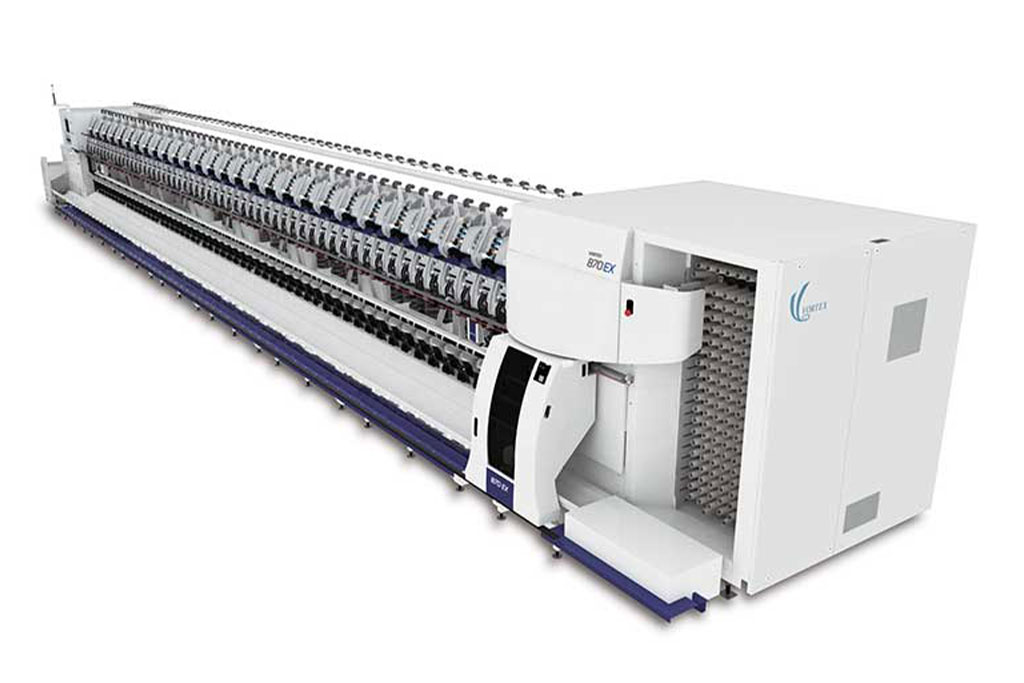
A textile spinning machine is an essential piece of equipment used in the textile manufacturing process to convert natural fibers (like cotton or wool) or synthetic fibers (like polyester or nylon) into yarn or thread. The machine performs a sequence of operations including drawing, twisting, and winding, transforming loose fibers into strong, uniform, and continuous yarn suitable for weaving or knitting.
Modern spinning machines are engineered for high efficiency, precision, and automation. They feature advanced control systems for speed, tension, and temperature regulation, ensuring consistent yarn quality and reduced waste. Depending on the spinning method—ring spinning, open-end (rotor) spinning, or air-jet spinning—the machine configuration and output characteristics may vary.
Key components typically include:
Drafting system: Aligns and stretches the fibers into a fine strand.
Twisting mechanism: Imparts strength by twisting the fiber strand.
Winding unit: Neatly coils the finished yarn onto bobbins or cones for easy handling.
Spinning machines are widely used in textile mills and fiber processing units across the globe and are available in various capacities and automation levels to suit small to large-scale production needs.