Fabrics

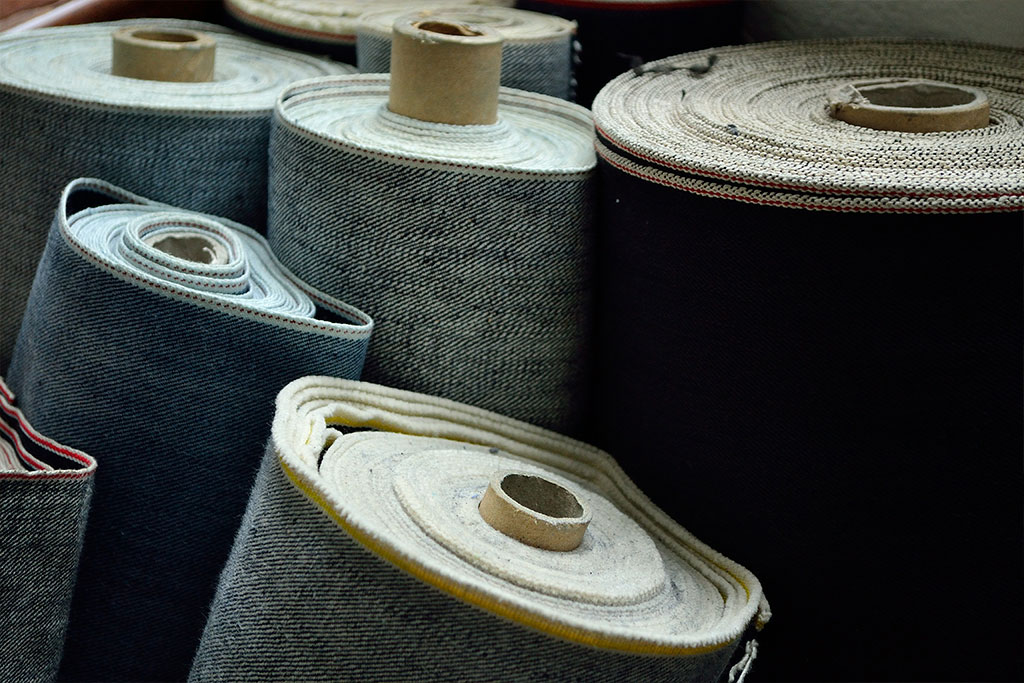
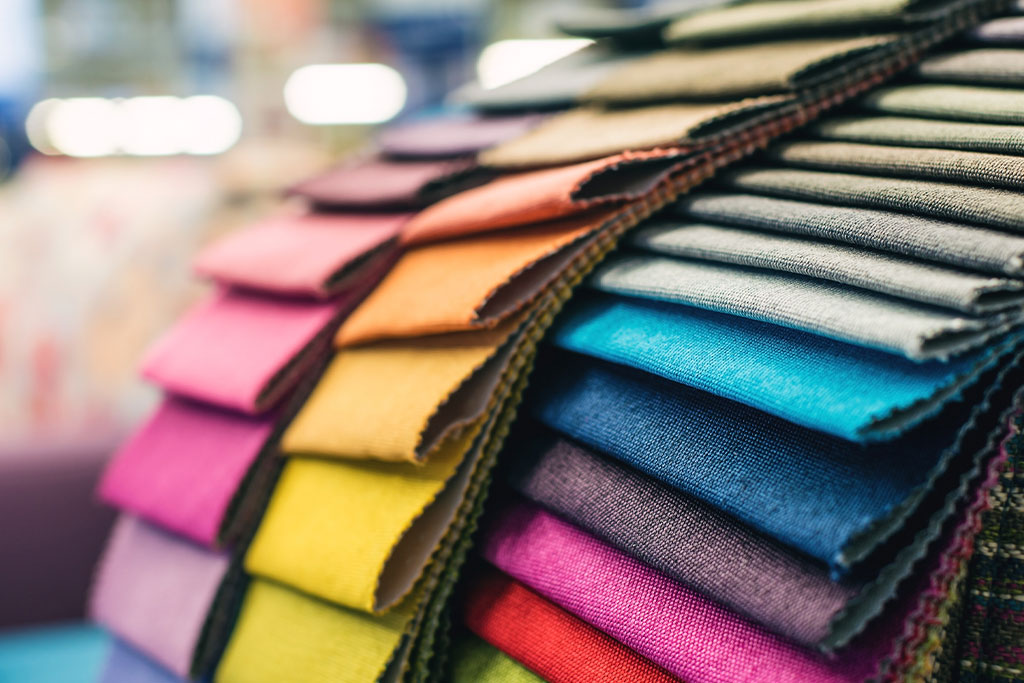
Fabrics are flexible materials—commonly called cloth—made by interlacing yarns or fibers through processes such as weaving, knitting, or bonding. These fibers, sourced from plants, animals, or synthetics, are twisted into yarns and then converted into fabrics. The properties of a fabric—such as texture, color, strength, and stretch—depend on the fiber type and the processing method, making fabrics suitable for a wide range of applications.

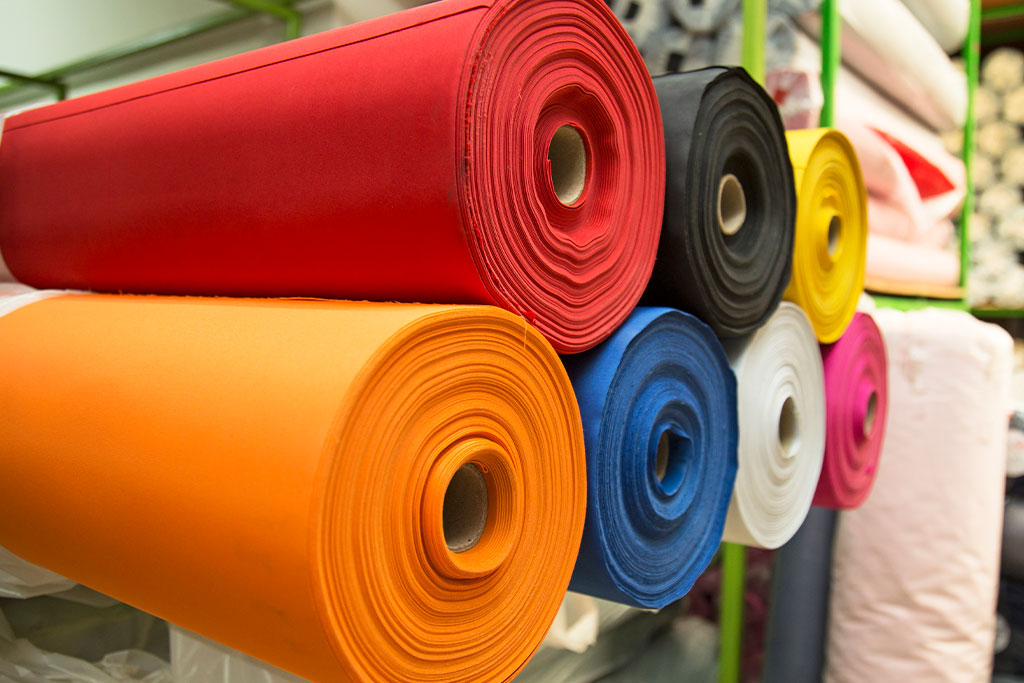
Formation of Fabrics

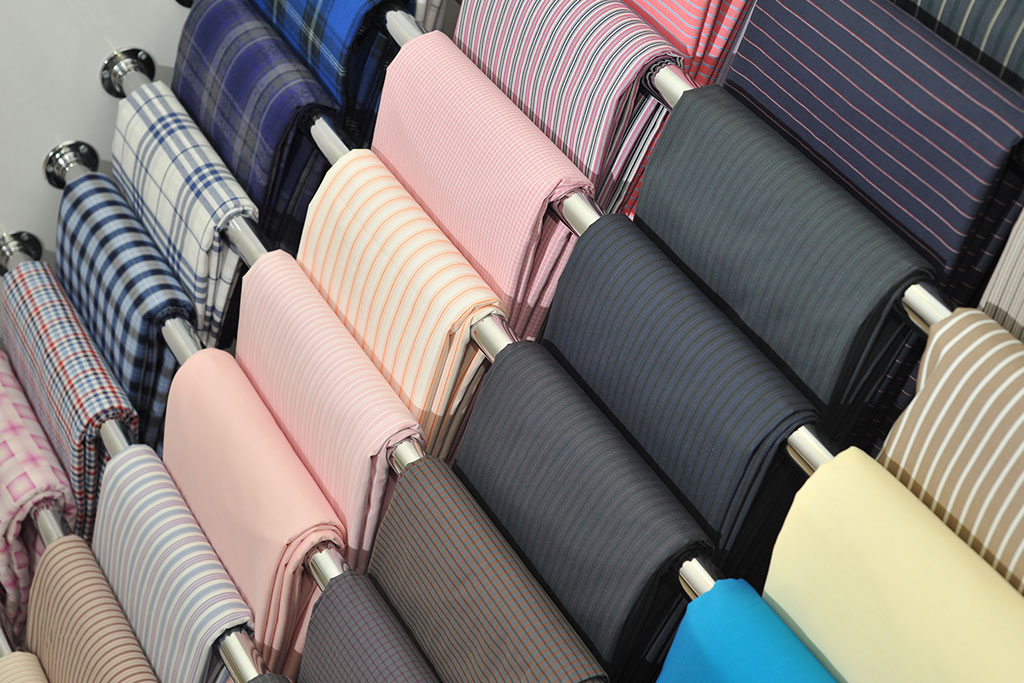
  • Weaving – Interlacing yarns at right angles, creating woven fabrics (e.g., denim, Suitings, Shirtings, Home Linen, canvas).
  • Knitting – Interlooping yarns, producing flexible fabrics with stretch (e.g., t-shirts, sweaters).
  • Bonding – Entangling fibers without spinning or knitting, used for non-woven fabrics (e.g., felt).

Types and Uses of Fabrics

  • Apparel – Clothing materials such as cotton, wool, silk, and polyester, offering comfort, protection, and style.
  • Home Furnishings – Bedsheets, curtains, upholstery, carpets, and towels made from different fabrics.
  • Accessories – Bags, shoes, and fashion items where fabric provides both durability and aesthetics.
  • Technical Textiles – Specialized fabrics for industrial, medical, and protective purposes (e.g., fireproof suits, airbags).

Fill This Form

    Fill This Form

      Fill This Form

        Fill This Form

          Fill This Form

            Fill This Form